There are certainly some talented writers who’ve written light novels. I’ve heard people call Romeo Tanaka the Shakespeare of light novel and visual novel writers several times. Today, however, I want to focus on something more specific, light novel writers who’ve won the Naoki Prize.
The Naoki Prize, named after the novelist Sanjugo Naoki and presented semiannually, is one of the most prestigious Japanese literary awards. It’s one of the two most sought after literary awards in Japan, the second being the Akutagawa Prize.
Let’s start with the most apparent winner. In the mid-2000s, Kazuki Sakuraba was still writing for the now-defunct *“Fujimi Mystery Bunko,” a light novel imprint for mystery books. Before that, she had written the popular “Satougashi no Dangan wa Uchinukenai A Lollypop or A Bullet” (Sugar Candy Bullets Can’t Pierce Anything, A Lollipop or a Bullet), which crossed the boundaries of light novels, prompting Kadokawa to relabel it as general literature. She’s also noted for having written the popular “Gosick” series for the imprint, eventually getting an anime adaptation, but that wasn’t all.
In 2006 she’d written “Akakuchiba-ke no Densetsu” (Red Girls: The Legend of the Akakuchibas) for Tokyo Sogensha. At that time, she was one of the first to make the leap from writing light novels to writing mainstream/general literature. In 2007 that same book was nominated for a Naoki Prize but sadly didn’t win. That disappointment was short-lived, however, as her “Watashi no Otoko”(My Man) was nominated for the Naoki Prize only a year after; and this time she won. This had huge implications as it demonstrated that there were extremely talented light novel authors capable of “serious literature” as well, but were also good enough to receive Japan’s most sought after literary award.
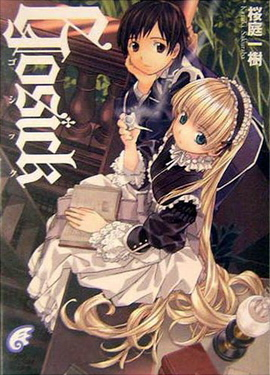
Gosick
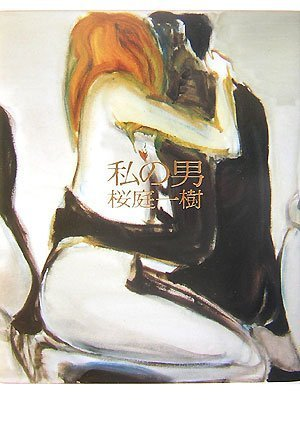
Watashi no otoko(My Man)
Meanwhile, around the same time, Dengeki Bunko was publishing tankoubon (a larger printing format, as opposed to the bunko format most light novels are published in) light novels, hoping to reach a wider audience than just light novel readers. One author that’s quite important to mention in that context is Hiro Arikawa. Her “Sora no Naka” light novel was published as a tankoubon. It wasn’t the first, but I think it was one of the important ones because following that her others works – “Umi no Soko,” “Shio no Machi,” and finally “Toshokan Sensou”(Library Wars) were also published as tankoubon releases. Library Wars was so well-received by the mass public that in 2006 it came fifth in Japan Bookseller’s award, competing against mainstream literature. Her books are one of the clear examples of light novels appealing to general literature readers, more than even light novel readers. Around the time Kazuki Sakuraba won a Naoki Prize, Hiro Arikawa finally left the light novel scene and started writing general literature. In 2013 her book “Soratobu Kouhoushitsu”(Public Affairs Office in the Sky) too was nominated for a Naoki Prize, but sadly didn’t win it. I still think she’s worth mentioning.
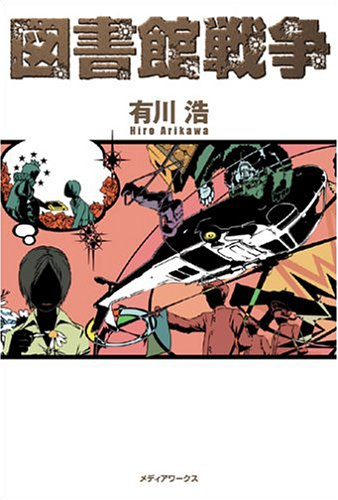
Toshokan Sensou(Library Wars)
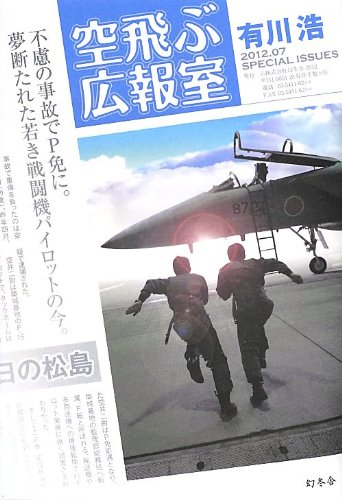
Soratobu Kouhoushitsu(Public Affairs Office in the Sky)
Next up, we have one female author that isn’t very known in the West, Murayama Yuka. She’s been writing “Oishii Kohi no Irekata”(Delicious Coffee Series) since 1996, but whether it should be considered a light novel or not is hard to say as to when the imprint was first made the term “light novel” wasn’t being used yet. But I’ve heard it called a light novel a few times. She won the Naoki Prize in 2003 for her Hoshiboshi no fune(Voyage Through Stars).
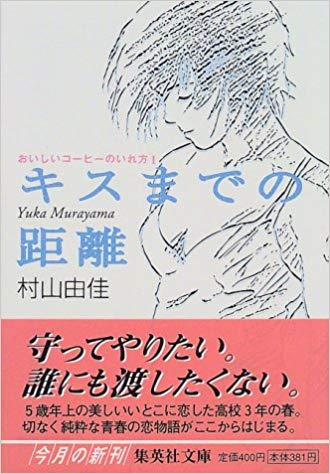
Oishii Kohi no Irekata(Delicious Coffee Series)
Now for a more recent example, and this time a male writer – the latest Naoki Prize winner, Junjou Shindo who received the award for his Takarajima(Treasure Island) depicting the lives of young people in Okinawa from 1952 to 1972 when the island was returned to Japanese control. Back in 2008, however, he’d won 4 newcomer awards, including horror, pure-literature, and finally a light novel award. That award was the Silver Prize of Dengeki Bunko Award. The light novel being Tokyo Vampire Finance.
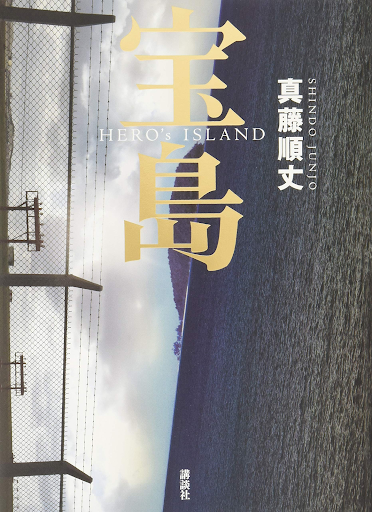
Takarajima(Treasure Island)
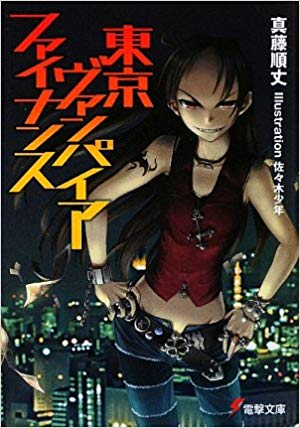
Tokyo Vampire Finance
There are more female writers with ties to light novels who’ve won Naoki Prize, but those wrote for Cobalt Bunko in the 90s before publishers were using the term “light novel.” Those books weren’t considered light novels at the time they’re being published. You could consider Cobalt Bunko a light novel imprint perhaps, but those books differ from current light novels so much that I think calling them light novels would be deceptive. At the very least, I’m not sure how those authors would feel about being called a light novel writer today. However, just to name a few, Kirino Natsuo, Yamamato Fumio, and Yuikawa Kei are Naoki Award winners who wrote for Cobalt Bunko.